
Beyond the Wooden Desk: The Rise of E-Learning
Learning used to mean sitting at a wooden desk while a teacher talked for hours. Not anymore. Online learning, or e-learning, has completely changed the rules of education. It is no longer just a backup plan or a secondary option. Today, it is a primary choice for millions of students, hobbyists, and professional workers around the world.
The shift to digital classrooms did not happen overnight. However, recent years pushed the technology forward very fast. Now, major universities offer full degree programs entirely online. You can learn anything from basic Spanish to advanced computer coding without ever leaving your home.
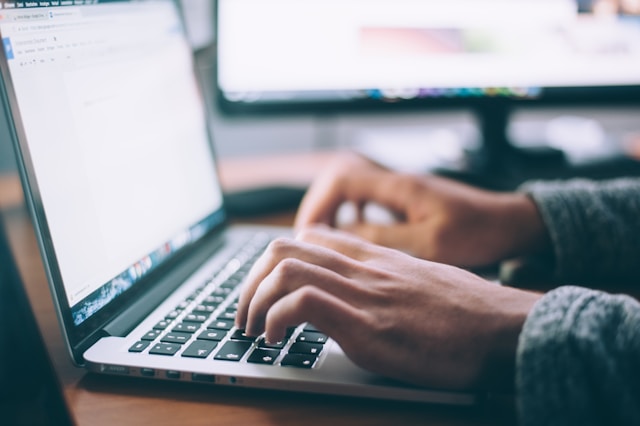
One of the biggest advantages of e-learning is flexibility. You do not have to live near a famous university to get a good education. You simply need a laptop and a stable internet connection. Imagine this: you wake up early, make a cup of coffee, and log into a live lecture from a university in London. A few hours later, you submit your homework assignment. You could be doing this from a small apartment in a busy city, or while looking at the snowy mountains from a quiet cabin in Frisco, Colorado. Geography no longer stops you from accessing high-quality information.
Cost is another important factor. Traditional education is often very expensive. You have to pay for tuition, but you also pay for a place to live, daily transportation, and printed textbooks. E-learning removes many of these extra costs. Many online courses are cheaper than regular classes. Some are even completely free. This makes education much more equal. A student with a tight budget can now learn the exact same business skills as someone attending an expensive private college.
Still, e-learning is not perfect. It demands a high amount of self-discipline. When you sit in a physical classroom, the teacher watches you. The environment forces you to pay attention. At home, things are very different. Your phone rings. Your dog barks. The television is just a few steps away. It is incredibly easy to lose focus. If you do not manage your time well, online classes can quickly become a stressful problem. Many students fall behind simply because they wait until the last minute to watch their recorded lectures. Motivation has to come entirely from the inside.
There is also the problem of technology. We often assume everyone has a fast computer and perfect Wi-Fi. This is simply not true. The “digital divide” is a real issue. In rural areas or poorer neighborhoods, students might struggle to connect to a live video call. If your screen freezes every five minutes, it is very hard to learn anything. Schools and governments still need to work hard to make sure everyone has the right tools to learn online.
Another missing piece is the human connection. Yes, we have video calls. Yes, we have chat rooms and forums. But typing a message on a keyboard is not the same as laughing with a classmate after a difficult test. You miss out on the small, informal conversations in the hallway. Sometimes, those random talks teach you just as much as the actual course material. E-learning platforms are trying to fix this by adding more group projects and interactive message boards, but it remains a difficult problem to solve completely.
Beyond schools, e-learning is changing the corporate workplace. In the past, companies spent a large amount of money to send employees to training conferences. They had to pay for flights, meals, and hotels. Now, a worker can complete a safety course or learn how to use a new software program right at their desk. This saves companies thousands of dollars. It also allows new employees to learn at their own speed. If they do not understand a topic, they can just pause the training video and watch it again.
What comes next for education? Many experts believe the future of e-learning involves “microlearning.” This means learning in very short, focused pieces. Instead of sitting through a two-hour lecture, you might watch a highly specific five-minute video on one single skill. This style fits perfectly into our modern, busy lives. People often learn best when they consume small amounts of information during a morning commute or a lunch break. We will also likely see more hybrid models in schools. This is a system where students mix online independent work with occasional face-to-face meetings for group discussion.
In the end, e-learning is a powerful tool. It has opened doors for people who previously could not access higher education. It gives us incredible choices. However, it is entirely up to the user to make it work. You have to bring your own effort. If you can focus, block out distractions, and stay organized, the digital classroom offers endless possibilities.